Open Letter to the Secretary General of the United Nations in the matter of peace of Ukraine
Sometimes it is worth reminding ourselves of truths so obvious that they tend to be forgotten. One of these truths is that people—regardless of language, nationality, or borders—have dreams, wish to live in peace, and strive to build better living conditions for their children than those they themselves experienced. It was precisely this realization, forged through the suffering and death of tens of millions during the Second World War, that led the overwhelming majority of humanity to declare: never again war.
From this moral imperative emerged the United Nations. The Charter of the United Nations, adopted by its founding states, is built upon several fundamental principles: the prohibition of the use of force in international relations, respect for the sovereignty and territorial integrity of states, the right of peoples to self-determination, the peaceful settlement of disputes, and accountability for aggression and violations of international law. The UN was meant not to be a passive observer of war, but a guardian of peace. Today, as the war in Ukraine continues and successive diplomatic initiatives collide with mutual “red lines,” it is becoming increasingly clear that without the active, arbitral role of the United Nations, a lasting peace will not be possible. Fragmented negotiations conducted outside the UN mandate neither build trust nor establish a just international order.
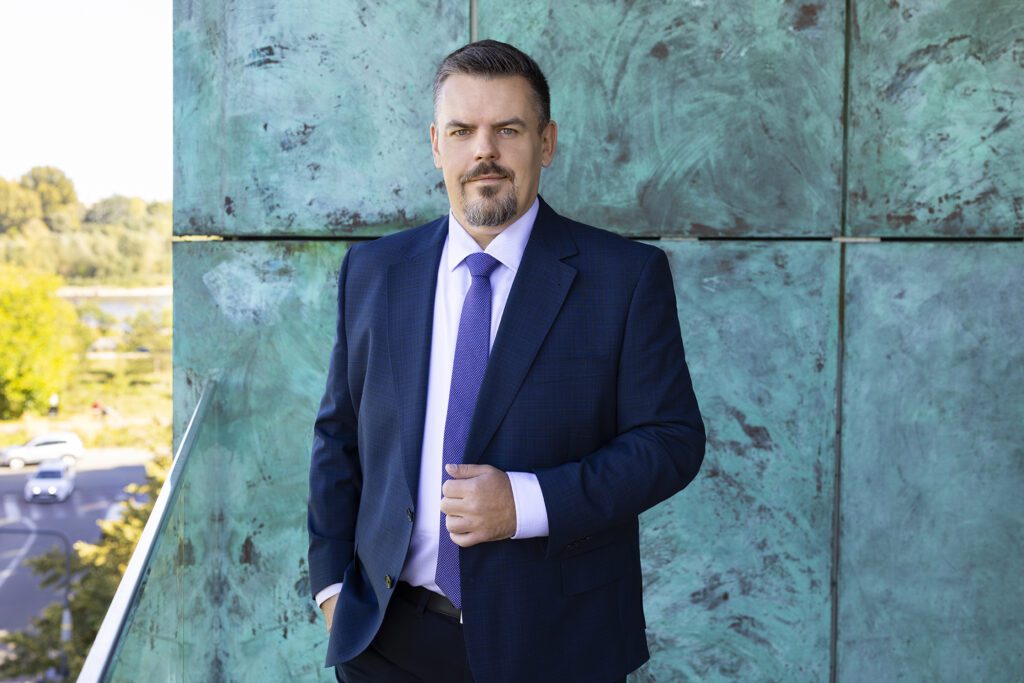
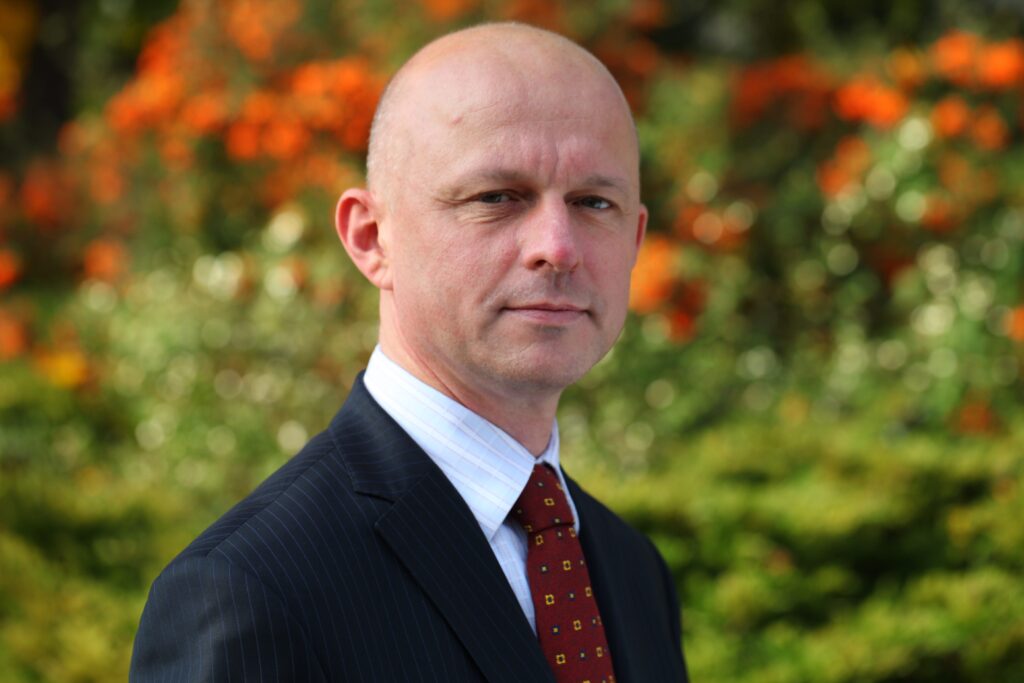
In defence of these fundamental principles, five experts associated with the Sobieski Institute have undertaken joint action. Guided by a sense of civic responsibility and Poland’s historical experience, they have formulated 14 points—principles of peace for Ukrainians and Russians – intended to serve as boundary conditions for a durable and just resolution of the conflict. These principles emphasize, among other things, respect for the right of peoples to self-determination, the necessity of international security guarantees, accountability for aggression, protection of civilians, and the central role of the United Nations as the host and arbiter of the peace process. History shows that courageous ideas can change the course of events. President Woodrow Wilson’s Fourteen Points after the First World War enabled Poland to return to the map of Europe, with access to the sea and after 123 years of colonial subjugation. Today, in the face of war in Eastern Europe, the time has come for an equally courageous return to thinking about peace. For this reason, an open letter addressed to United Nations Secretary-General António Guterres was prepared, calling for the United Nations to immediately assume leadership of the peace negotiations. This appeal is not only political, but above all moral—a call to return to the values upon which the post-war international order was built.
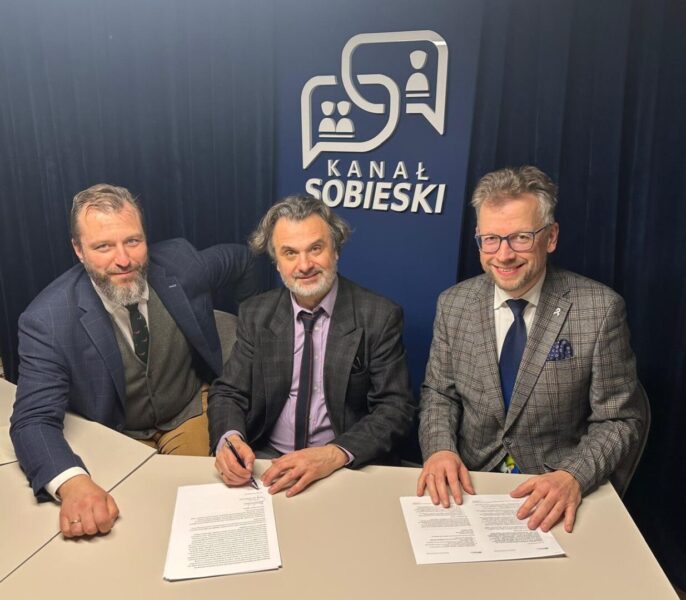
The letter has been signed by the authors of the initiative and formally sent to the Secretary-General of the United Nations. Attached to this commentary are the full text of the letter and a commemorative photograph taken at the moment of its signing, documenting the civic nature of the initiative and the personal commitment of its signatories.
Peace is not an act of naïveté. It is an act of courage and responsibility toward future generations. And that is precisely why today we must remind ourselves of what should be obvious.
The original content of the open letter is available in the attachment: